


Before the Plans: What every property owner should know, Miami residential architect explains

Updated: May 2
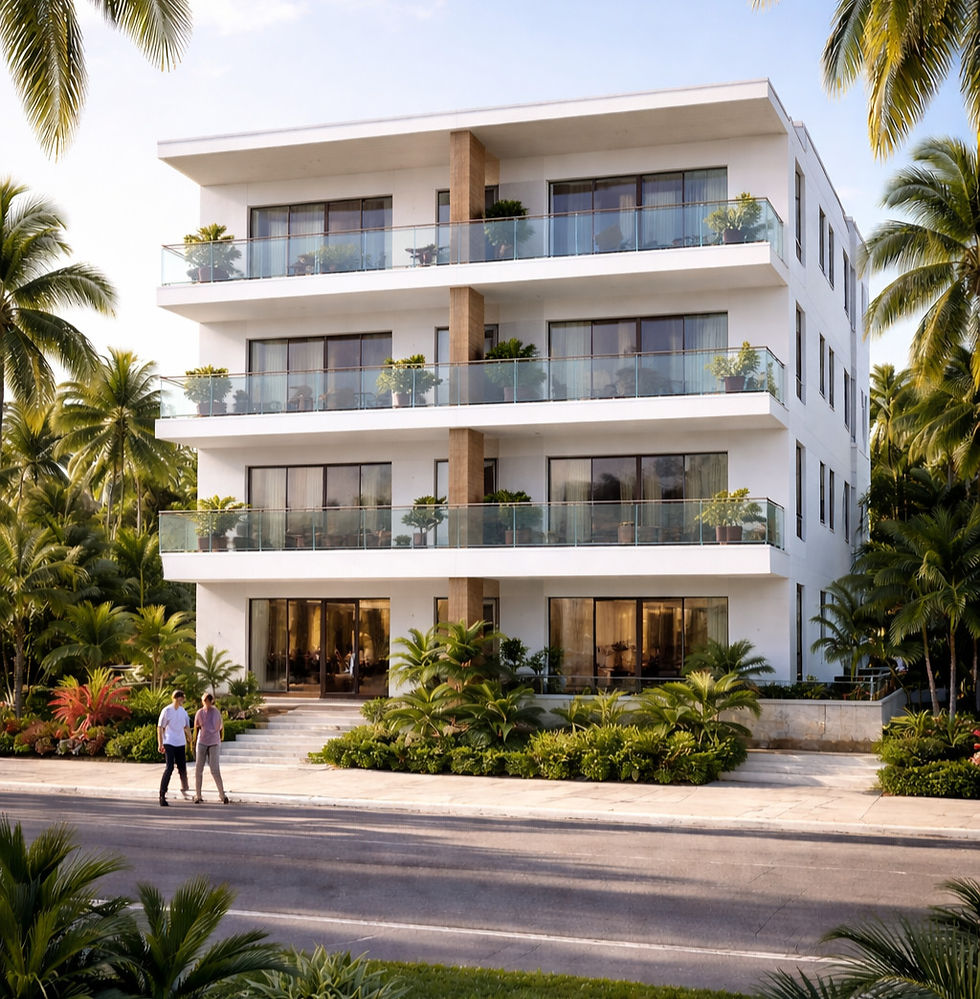
Building in Miami’s sought-after neighborhoods—Coral Gables, South Miami, Miami Beach, downtown, and Kendall—is unlike building anywhere else in the American South. The combination of hurricane exposure, stringent environmental rules, and a famously slow permitting process demands a level of preparation that surprises even experienced developers. This article breaks down the key challenges and explains how a knowledgeable local, residential Miami architect, such as United Architects, can help your project succeed.
Unlike much of the American South, where wood framing is the norm, Miami construction relies on concrete block and poured concrete. This is not a stylistic preference—it is a practical response to hurricane-force winds and chronic moisture exposure.
Concrete block and poured concrete provide superior resistance to high winds and water damage.
These materials increase the building’s lifespan and reduce maintenance costs.
However, concrete construction is more expensive and time-consuming than wood framing.
It requires specialized labor and equipment and familiarity with these building materials.
For example, in Coral Gables, strict building codes mandate concrete construction to ensure structures withstand hurricane-force winds. This means builders must plan for longer timelines and higher budgets compared to projects in cities like Atlanta or Charlotte.
Slow Building Permit Process
Miami’s permitting process is notoriously slow, especially in sought-after neighborhoods such as Miami Beach, downtown Miami, and the suburban areas of Miami. This delay stems from:
Strict zoning laws designed to preserve neighborhood character and manage density.
Environmental regulations that require thorough review to protect coastal ecosystems.
High volume of permit applications due to rapid urban growth.
Permit approval can take several months or longer, which affects project schedules and financing. For example, a developer in Kendall might face a 4-6 month wait before starting construction, compared to a few weeks in other southern cities.
Miami Residential Architect explains Hurricanes and Flooding Risks
Miami’s location makes it vulnerable to hurricanes and flooding, which significantly impact construction planning:
Buildings must meet Florida Building Code standards for wind resistance, often requiring reinforced concrete and impact-resistant windows or shutters.
Flood zones sometimes require flood-proofing measures.
Insurance costs are higher, influencing design and material choices.
The City of Miami requires drainage plans demonstrating that stormwater from a project will be contained on-site and will not affect neighboring properties or public streets.
In South Miami, recent hurricanes have caused extensive damage to older wood-framed homes, highlighting the importance of resilient construction methods. Flooding during heavy rains also demands careful site selection and drainage planning.
How United Architects Can Help
Navigating these challenges requires expertise in local regulations, construction techniques, and environmental considerations. United Architects offers several advantages:
Expertise in Local Codes and Permitting
United Architects has deep knowledge of Miami’s zoning and permitting processes. They can:
Prepare detailed, code-compliant plans that reduce review time.
Communicate effectively with city officials to expedite approvals. Sometimes speaking to the head of the department is easier than trying to change the mind of the actual plan reviewer.
Anticipate potential permit issues and address them early.
Designing for Durability and Resilience
Their designs incorporate:
Concrete block and poured concrete structures tailored to neighborhood requirements.
Hurricane-resistant features such as reinforced walls and impact windows.
Flood mitigation strategies, including well-designed drainage plans and elevated foundations where required.
Efficient Project Management
United Architects coordinates with contractors and engineers experienced in Miami’s construction environment. This helps:
Keep projects on schedule despite permitting delays.
Manage budgets by selecting cost-effective materials and detailing plans well.
Ensure quality control throughout construction.
Customized Solutions for Each Neighborhood
Each Miami neighborhood has unique characteristics. United Architects adapts designs to fit:
Coral Gables’ historic aesthetic and strict codes.
Miami Beach’s coastal exposure and flood risks.
Downtown Miami’s urban density and mixed-use demands.
Kendall’s suburban environment and zoning rules.
Practical Tips for Building in Miami Neighborhoods
If you plan to build in Miami, consider these steps:
Hire a local architect familiar with Miami’s building environment. Every region has its own preferred methods and materials—Miami is no exception. Even something as fundamental as footing specifications differs here. Local architects, engineers, and contractors understand Miami’s soil conditions, climate, and regulatory environment, helping you avoid costly surprises.
Budget for concrete construction and longer timelines. Expect higher costs than typical southern projects.
Plan for hurricane and flood resilience. Invest in durable materials and design features.
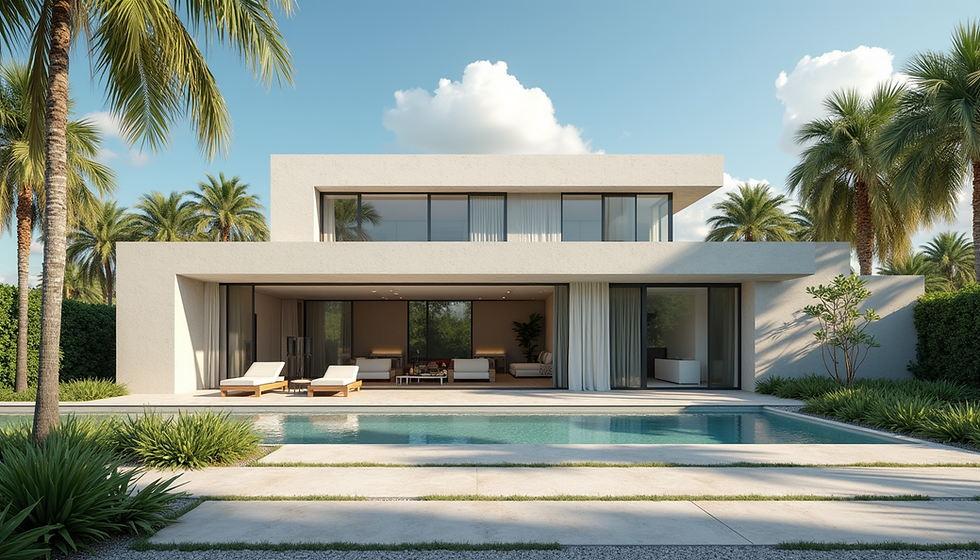
White, reflective flat roofs can significantly reduce cooling costs—a worthwhile
investment in Miami’s subtropical climate.
Start the permitting process early. Submit complete applications to avoid delays.
Work with local contractors experienced in Miami’s building methods.
Summary
Successfully building in Miami’s neighborhoods—whether Coral Gables, South Miami, Miami Beach, downtown, or Kendall—comes down to preparation. Concrete construction is non-negotiable for durability, but it raises costs and timelines. Hurricane and flood resilience must be baked into the design from day one. And the permitting process, while slow, moves faster with an architect who knows the system. Working with the right local team is the single most effective way to protect your investment.
Contact Information
If you’re considering developing a multifamily project in Miami, contact us to explore design options tailored to your site and budget. To discuss a project in Miami or any of its neighborhoods, contact Maria Luisa Castellanos, R.A., LEED AP, principal of United Architects, at 305-439-7898 or email MLC@UnitedArchs.com

Comments